



The Navy asked for ships that could change. Somebody had to write down what “change” means.
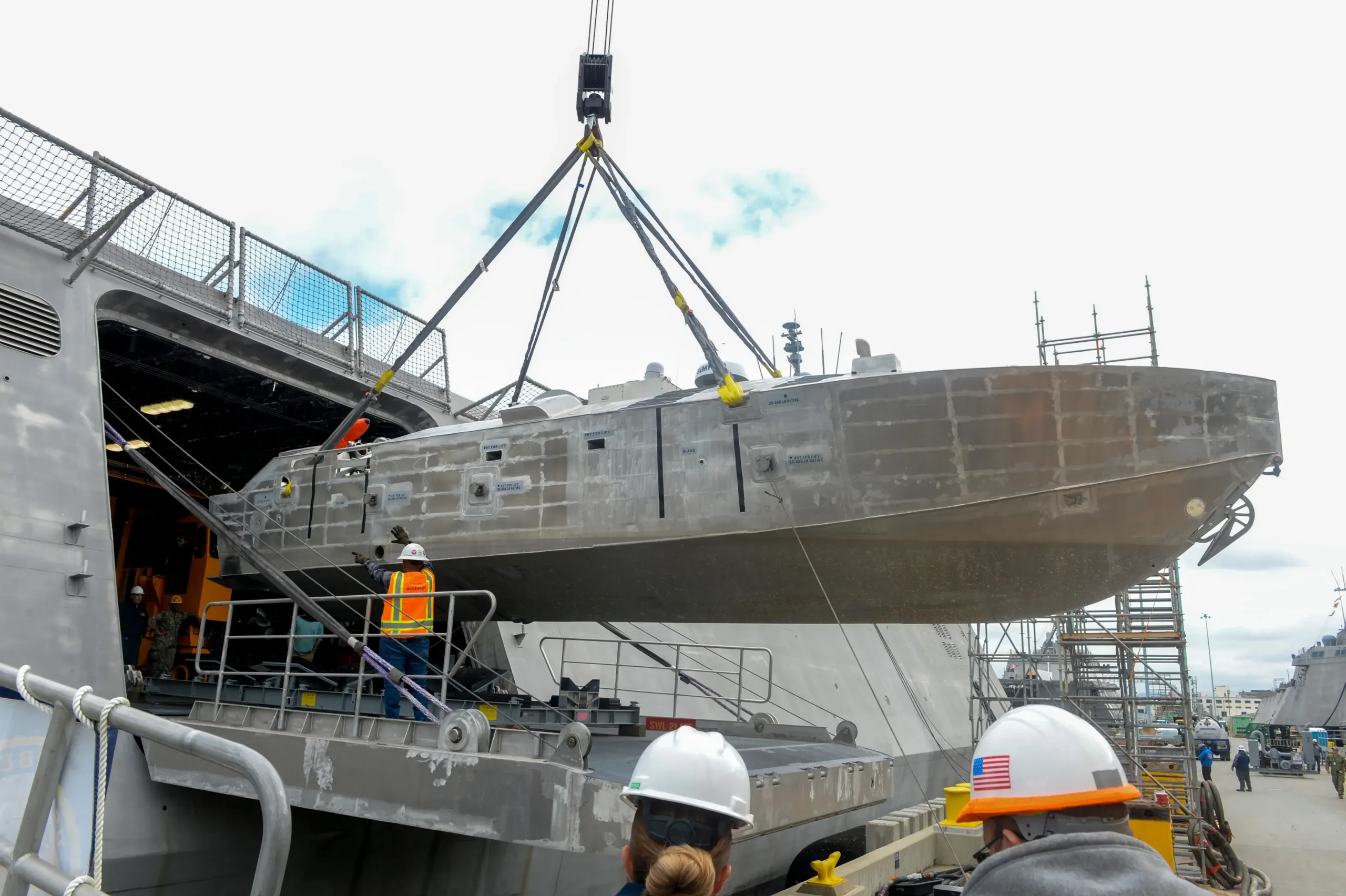
Abbott On Call is the prime contractor to Naval Surface Warfare Center Carderock Division for Hull, Mechanical and Electrical Open Systems Architecture and Systems Engineering – a role we have held across successive contract iterations. We authored the interface baseline that lets Littoral Combat Ship mission packages come aboard, we maintain it, and we verify it on the ships themselves.
Current prime contract, NSWC Carderock Division
Supporting the LCS and Mission Modules programs since
Interface requirements verified across LCS 1–38
Traced requirements in the AOC-authored ICD
Engineering Change Proposals authored or contributed to
What open systems architecture actually buys you
Modularity is not an end in itself. It is a way to save time, manpower, money and technology cycles across a hull's service life – but only if the interfaces are defined, controlled and verified with discipline. Otherwise “open” just means “undefined.”
AOC has been the sole provider of HM&E Open Systems Architecture technical expertise for the LCS and Mission Modules program since its inception. We helped stand up the Mission Systems and Ship Integration Team, and we lead it: defining the interfaces, controlling their configuration, verifying and validating them, and developing the test procedures the fleet uses before every mission package embark.
Along the way we co-authored the Guide for the Design of Modular Zones on U.S. Navy Surface Combatants and the Modular Adaptable Ship Total Ship Design Guide for Surface Combatants – Navy-wide design practice, written by the people who then had to make it work on real hulls.
About HM&E Open Systems Architecture & Systems Engineering
Systems Engineering
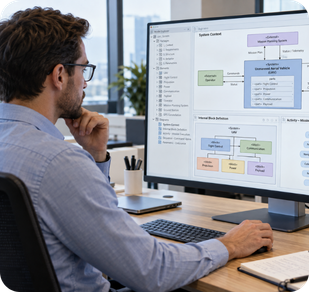
AOC provides end-to-end systems engineering across acquisition, integration, test and sustainment. Our scope spans hull, mechanical and electrical design; combat and C4I system integration; aviation integration; mission package integration; and unmanned systems transitioning into lifecycle technical management.
We conduct independent engineering analyses, trade studies and risk assessments; support design, integration and fielding; and produce the programmatic documentation that carries a system through its milestones – Capability Development Documents, Systems Engineering Plans, Test and Evaluation Strategies, Concepts of Operations, Configuration Management Plans and Security Classification Guides.
Requirements Development & Management

AOC is the developer and sole maintainer of the LCS Interface Control Document, now at Revision 2.1 with Revision 2.2 in development. It captures more than 1,000 hull, mechanical, electrical, communications and software command-and-control interface requirements between the seaframes and their mission packages.
Every requirement is traced. Our Requirements Traceability Matrix – built and maintained in-house – maps each one back to its source: the Capability Development Document, the Specified Performance Document, the Naval Vessel Rules and the applicable build specifications, with filtering and reporting by requirement ID, ECP number and ICD section. We use DOORS to access and extract legacy program-office requirements alongside it.
HM&E Open Systems Architecture
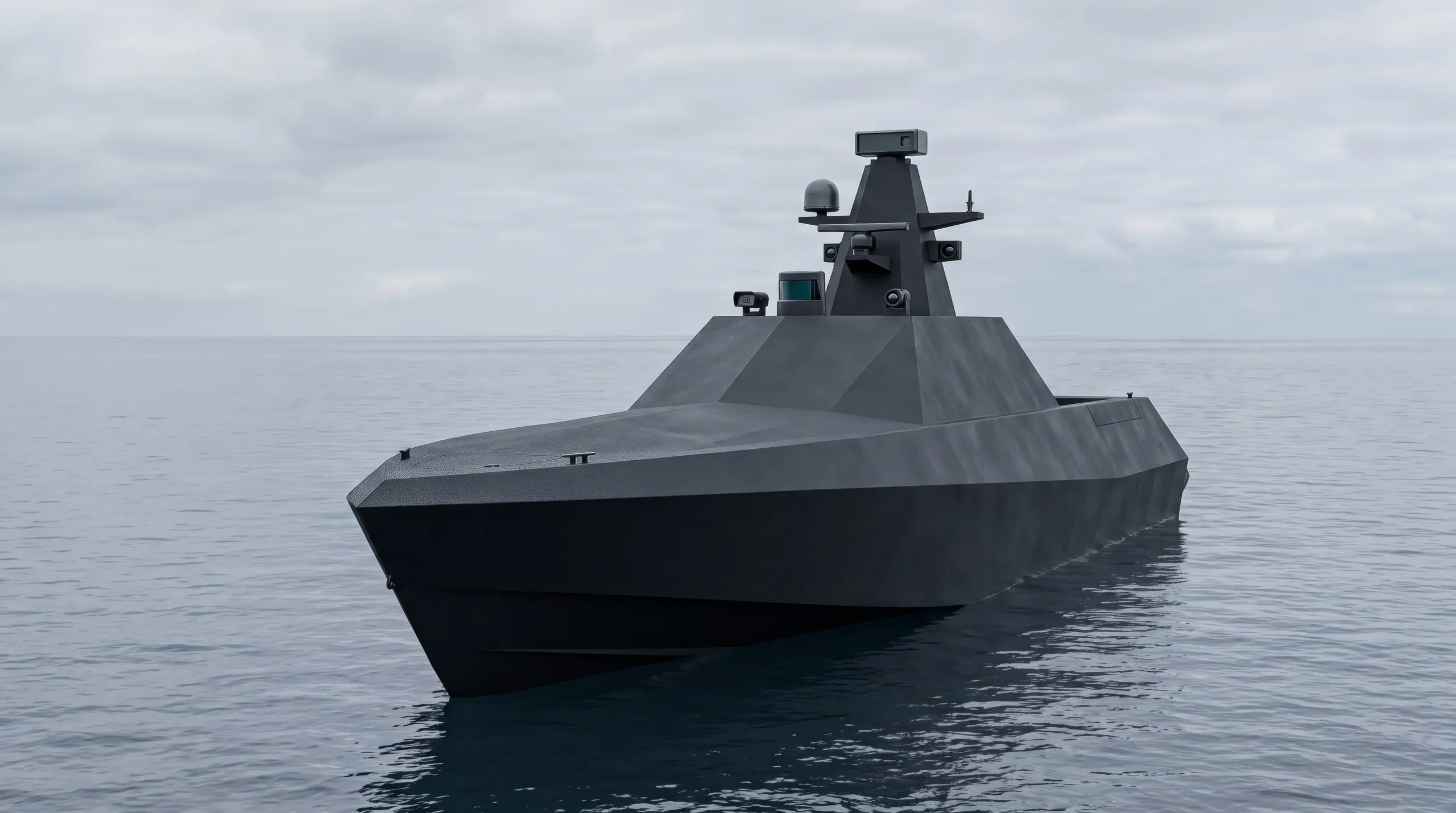
AOC develops, documents and sustains the Modular Technical Architecture that allows technology to be inserted into a platform without replacing the systems around it.
Since 2002 we have authored, contributed to or reviewed more than 700 Engineering Change Proposals addressing OSA interface modernization – integration of unmanned surface and aerial vehicles, mission package console upgrades driven by COTS obsolescence, flexible infrastructure interface additions, and weapon module station redesigns. In each case AOC assesses the challenge, identifies the impact on the existing baseline, develops technically compliant options, and shepherds the change through the appropriate board.
Flexible & Modular Ship Design
AOC's conceptual design work has shaped how flexibility gets applied across ship classes, and how programs decide how much of it to buy.
A Flexible Warship Roadmap
PEO Ships and the OPNAV N96 Flexible Warship Initiative, guiding future OSA application across ship classes
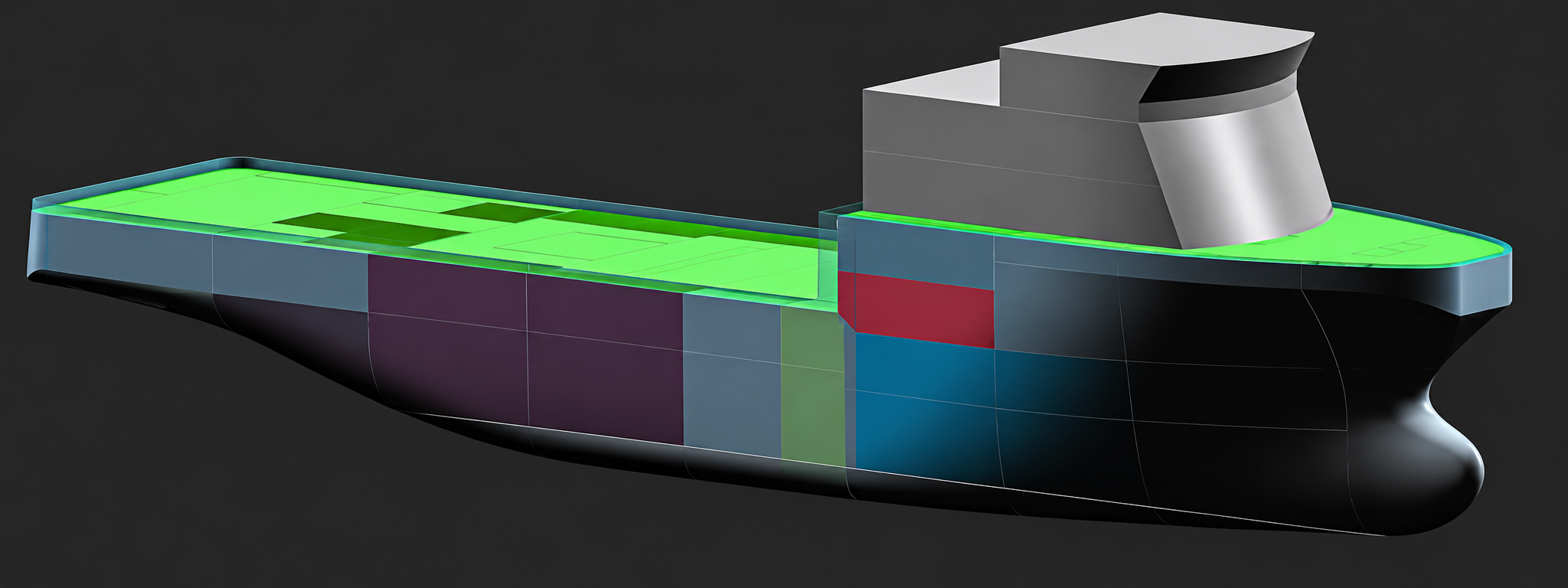
A Large Unmanned Surface Vessel study
for PMS 406 assessing modular C4I electronics insertion for technological relevance and upgradability, plus the associated C4I Interface Control Document defining modular station-to-module interfaces

A sectional dry dock design study
for COMNAVSEA incorporating an open architecture approach to nuclear carrier support
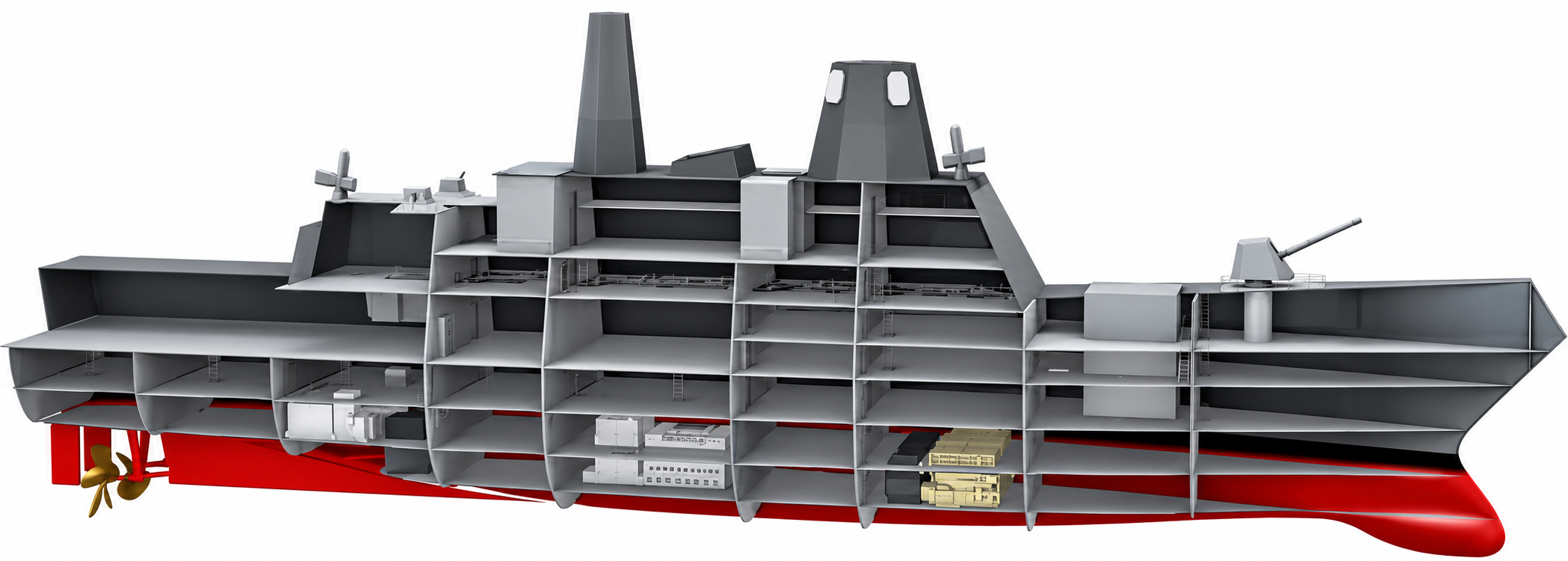
A Flexibility Design Feature cost trend database
that lets program managers see how early design decisions drive lifecycle cost
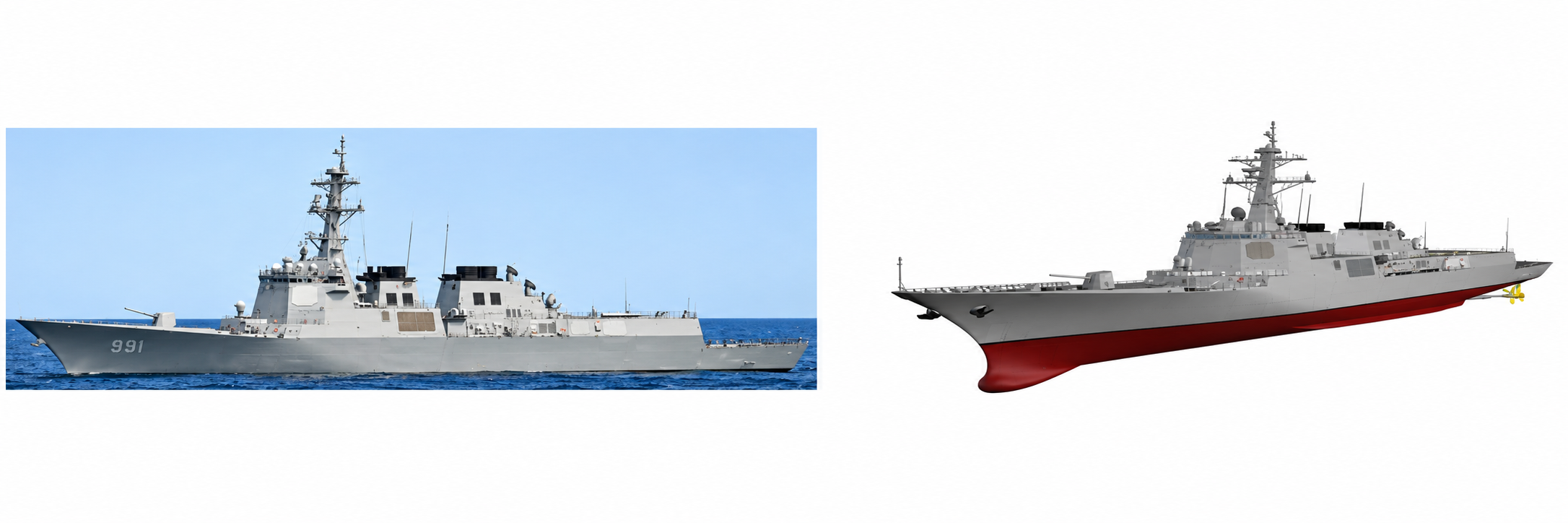
Cost-based business case analyses
of modular HM&E and flexible infrastructure across CVN 78, LCS, CG(X), DDG 51, LHA and LPD
We also supported Technology Management and Technology Insertion Planning for the CG(X) and LCS programs, and sit on the PMS 420 Mission Package Technology Assessment Working Group applying requirements-pull and technology-push methods to advance interface standards.
Interface Control & ICD Development
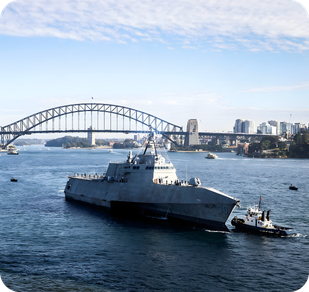
This is the discipline AOC is known for.
We authored ICD 2.0, establishing lifecycle configuration interface requirements for both Freedom and Independence variants integrating Surface Warfare, Mine Countermeasures and Anti-Submarine Warfare packages. We authored ICD 2.1, incorporating approved configuration changes from program-office change documents. We are writing ICD 2.2 now.
The document governs hardware and software interfaces among ships, submarines, aircraft, unmanned underwater, aerial and surface vehicles, weapons, combat systems, computing environments, exterior communications and watercraft launch and recovery. It contains more than 200 AOC-prepared figures – engineering drawings, cable block diagrams, 2D and 3D CAD representations, photographs and tables covering every interface class from electrical power and chilled water to modular weapon stations and payload handling.
For PMS 406 we developed the LUSV C4I ICD. For sUSV integration we generate the ICD directly from a SysML model in Cameo, exported for review and signature.
System Integration
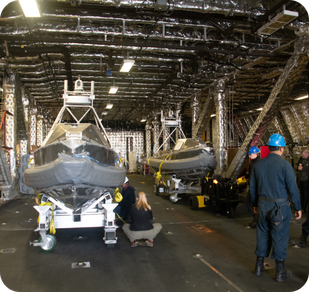
AOC resolves the technical problems that surface when systems meet platforms – production, integration, installation, deployment and lifecycle support across SUW, MCM, ASW and sUSV systems, on ships, aircraft, other platforms and shore facilities.
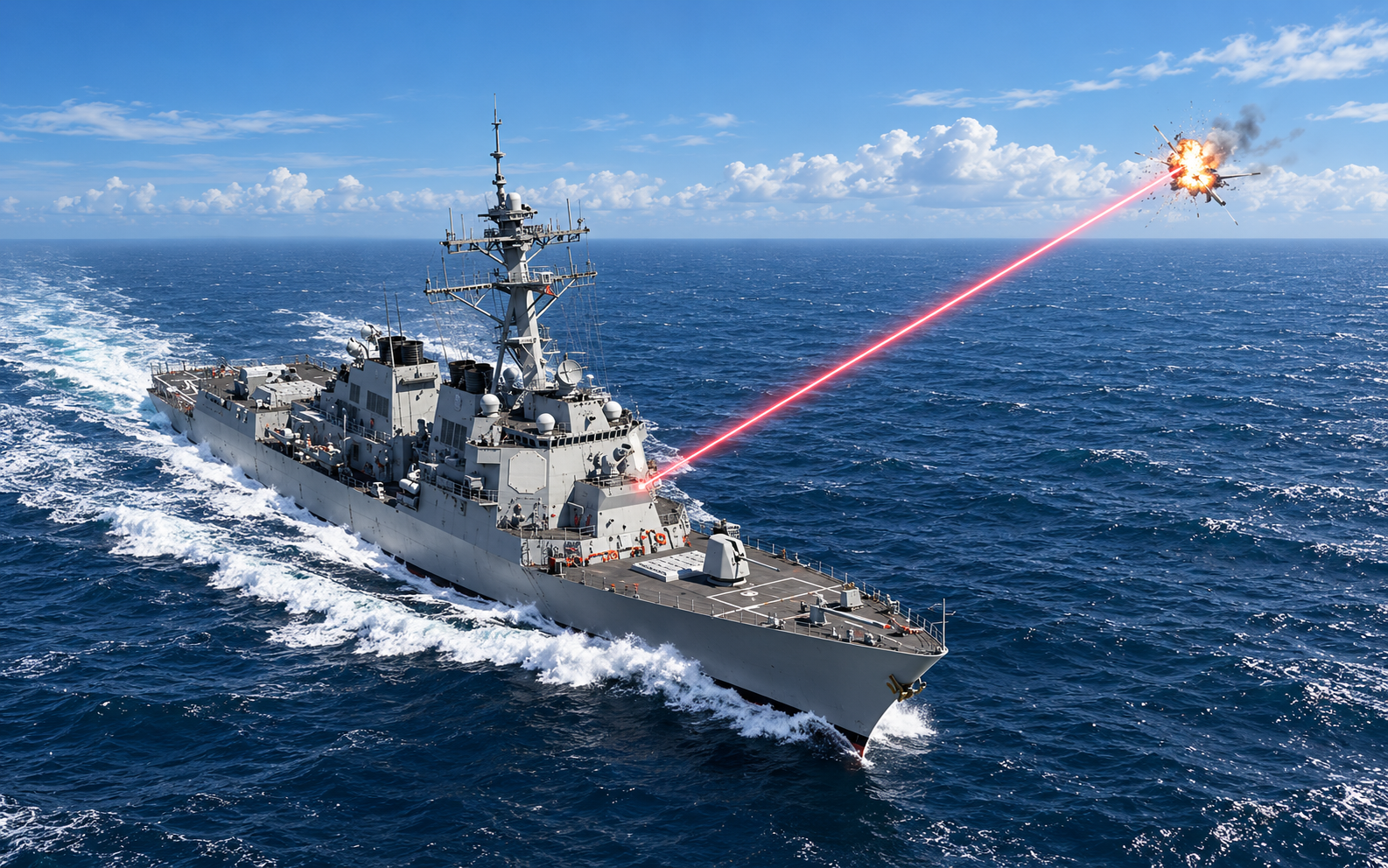
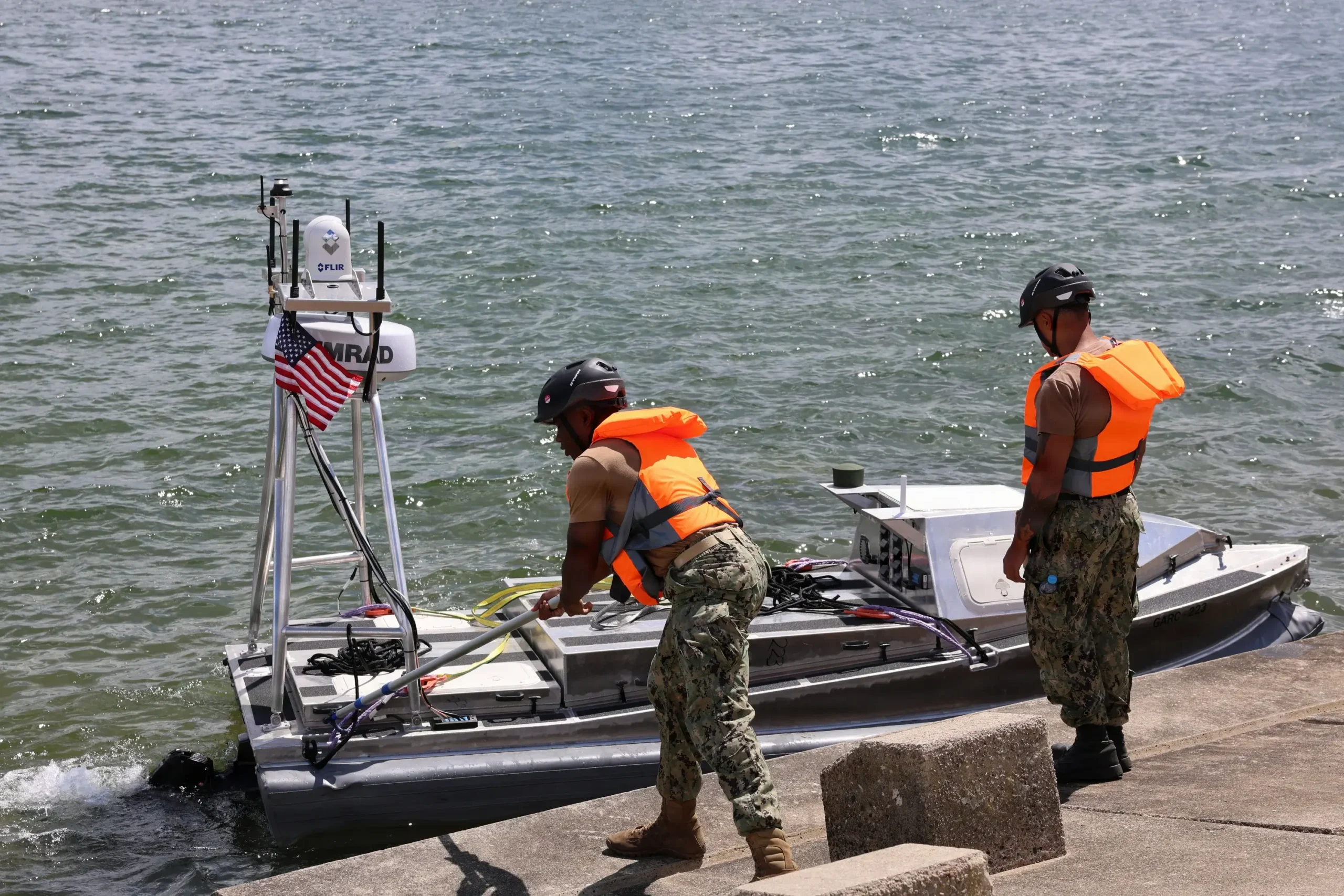
The record includes integration requirements and impact studies for DDG-51 class laser and kinetic weapon systems; enabling the Office of Naval Research Maritime Laser Demonstrator installation on the Self Defense Test Ship and the Laser Weapon System Demonstrator aboard USS Portland (LPD 27) through the use of existing ship systems including a Mark 41 Vertical Launch trunk; weapons integration for 30mm gun modules and Surface-to-Surface Missile Modules; and site surveys and support-system readiness verification across 120+ unmanned system test events on LCS, Expeditionary Transfer Dock and Expeditionary Fast Transport hulls.
Verification, Validation & Test
AOC built the verification apparatus the LCS program runs on.
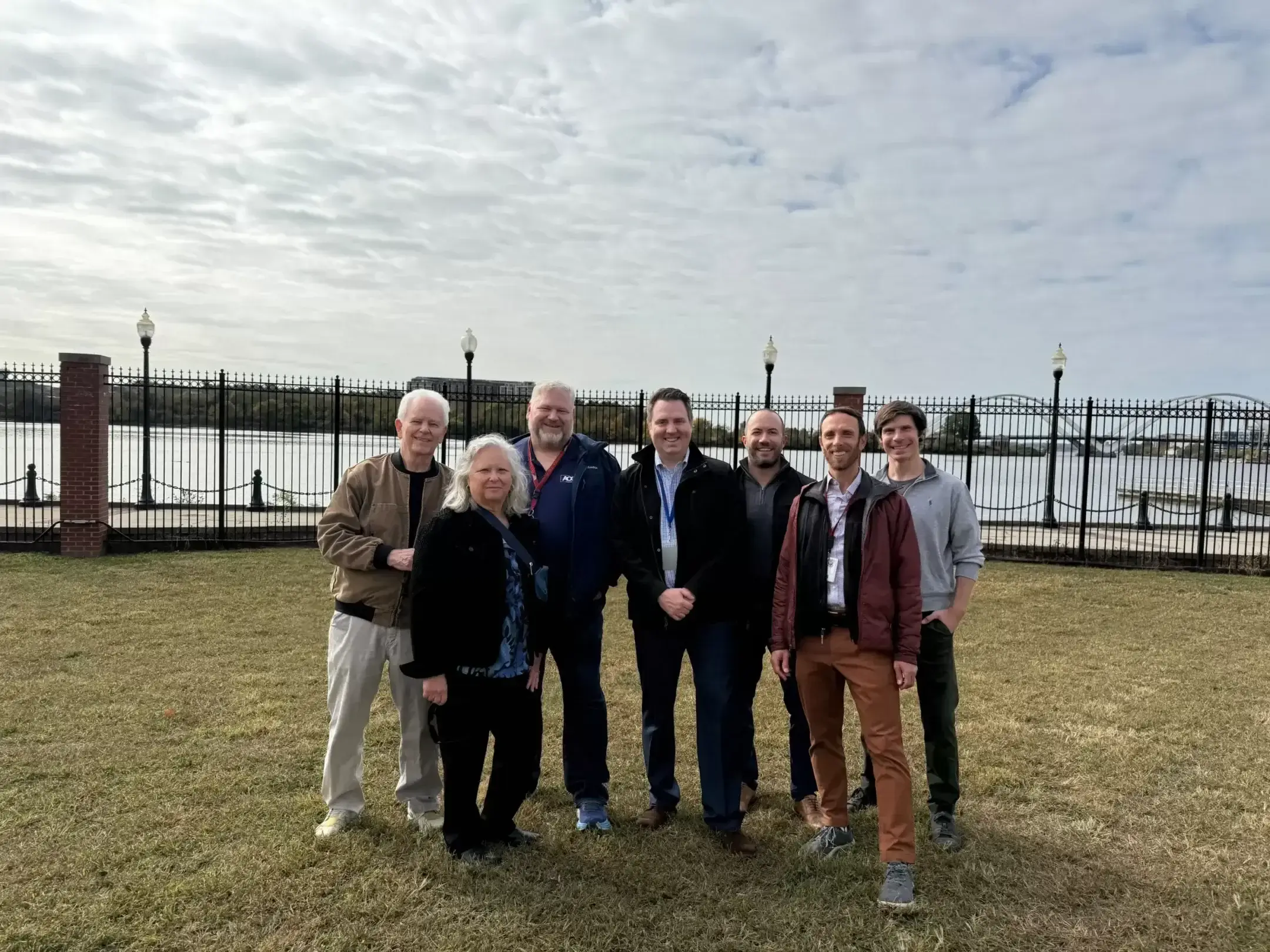
The IV&V procedure set
The MSSIT interface test procedures – 35 separate system procedures and 15+ physical test kits, staged on both coasts and shipped to support deployed ships – have been executed more than 100 times to verify mission package equipment before embark. They were developed and are maintained exclusively by AOC, and are used by both the Mission Package Support Facility and PMS 420 teams.
Inspections
More than 100 ship inspection trips and 200+ ship visits since 2011, verifying over 70,000 interface requirements across LCS 1 through 38, including 25+ Pre-Installation Check-Out inspections covering electrical service panels, circuit breakers, damage control systems, low pressure air, chilled water, seawater supply and return, weapon station fire enable circuits, video feeds, GPS and ventilation. AOC wrote the Ship Interface Inspection Handbook still used on those visits, and maintains the database behind it tracking more than 85,000 interface requirements.
Test events
AOC led planning, scheduling, execution and monitoring across 120+ test events for Navy unmanned maritime systems, authored the governing test plans and procedures, and generated detailed test reports documenting discrepancies, system impacts and corrective actions that feed back into program systems engineering. We review shipbuilder stage tests across LCS 1–38, write trial cards against them, and provide sign-off support for contractor stage events including mission package changeouts and payload handling demonstrations.
Specialized qualification
Shock testing and analysis to MIL-S-901 and DDS 072 including DDAM, environmental qualification to MIL-STD-810, vibration qualification to MIL-STD-167, and coordination with Shock Technical Warrant Holders for qualification and extension approvals.
Configuration Management
AOC authored and maintains the MSSIT Configuration Management Plan, is a standing reviewer of the PMS 420 Configuration Management Plan, and is widely treated as the subject matter expert other groups come to for help implementing it.
We have reviewed more than 6,000 proposed ship changes across LCS 1–38 for integration risk, interface impact and technical feasibility. We develop and track Class I and II changes; prepare and adjudicate Engineering Change Proposals, Ship Change Documents, Proposed Change Washingtons, Requests for Deviation, Departures From Specification and Joint Technical Documents; and maintain Configuration Status Accounts for every seaframe and mission package covering interface changes, deviations, government-furnished information and corrective action requests.
Lifecycle & Sustainment Engineering
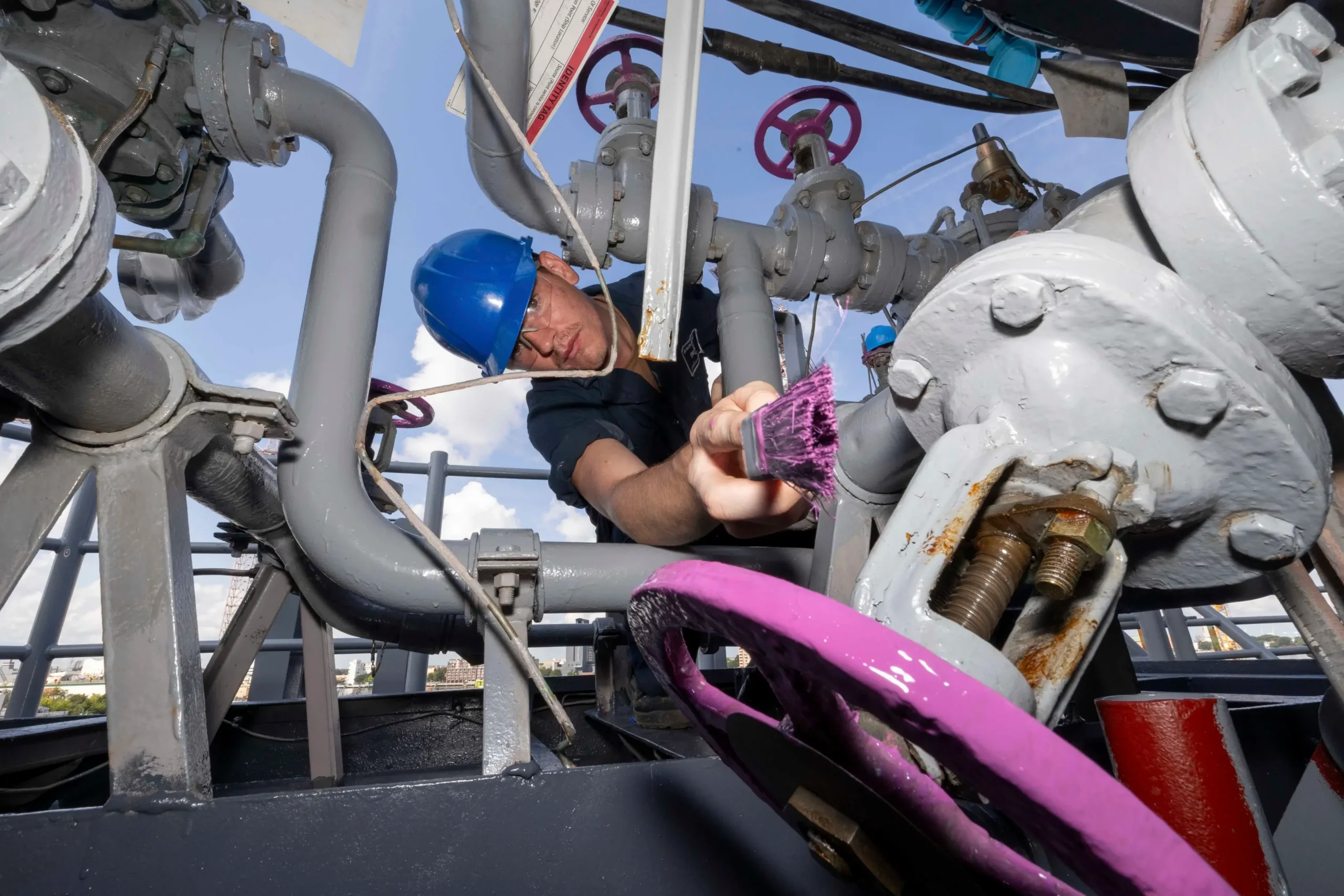
Our involvement typically starts early in acquisition and continues through post-delivery and in-service support.
AOC performs system lifecycle cost analyses, component-level studies, logistics modeling, cost estimating and demand forecasting to inform design decisions and support Milestone reviews and Independent Logistics Assessments. We produce and maintain Life Cycle Sustainment Plans, maintenance plans, supply support strategies, reliability and maintainability analyses, training curricula and technical manuals, and keep them aligned as systems change.
Technical Data & Logistics Support

AOC produces the technical data package and the logistics products that make a change installable and maintainable.
That includes Ship Installation Drawings for multiple ship alterations on both LCS variants; AutoCAD engineering drawings for rotor blade shelves, modular weapon danger markings, mission package baseline laydowns and aviation tie-down locations; technical manual development and verification with NSWC Panama City; review and comment on fleet technical manuals including the Launch Recovery Handling System crane and the Twin Boom Extensible Crane; provisioning data elements; Joint Electronics Type Designation Automated System nomenclature submissions; interim and final ILS certification support; sparing recommendations and spares coordination; and updates to the Combat Systems Operational Sequencing System.
Why Abbott On Call?

Continuity
The same firm has held this interface baseline since 2002, across successive prime contract iterations. Several of our senior technical staff have worked together inside AOC for over a decade.

Prime experience, small-business agility
A DCMA-approved accounting system, a nearly 15-year record of prime contract management, and consistent Exceptional and Very Good CPARS – without the reporting layers that slow a large integrator down.

Independent
AOC does not build the systems it evaluates.

Written to survive a board
Every product is traceable to a requirement, a source document and a decision.
Talk to our systems engineering lead
Download the AOC capability statement